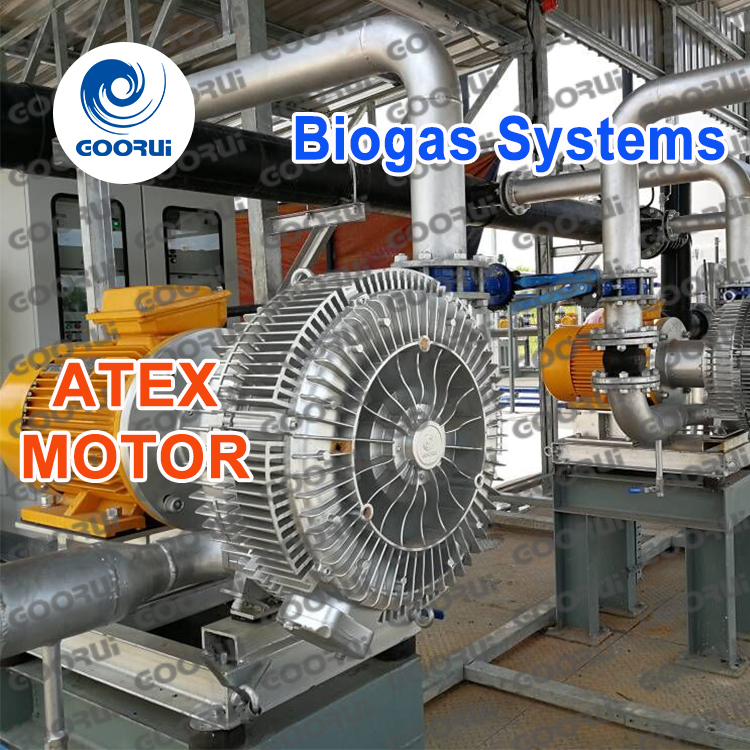
With the rapid advancement of biomass energy utilization, biogas projects have found widespread application in sectors such as livestock farming, wastewater treatment, and the processing of industrial organic waste. Biogas is generated through anaerobic fermentation; however, the initial gas pressure is merely 10–50 mbar. Due to this low pressure and weak flow velocity, the raw gas cannot directly meet the requirements of downstream processes such as transport, purification, and combustion for power generation. As an oil-free, high-pressure, low-noise, and maintenance-free fluid transport device, the vortex high-pressure ring blower has become the core power equipment for small- and medium-sized biogas projects, effectively addressing critical issues such as low-pressure gas transport, system pressure stabilization, and process integration. This article focuses on the equipment characteristics, core application scenarios, selection criteria, and key safety and maintenance points of vortex high-pressure blowers, providing a technical reference for the stable and efficient operation of biogas projects.
Key Advantages of Vortex High-Pressure Ring Blowers for Biogas Systems
Compared to traditional equipment such as Roots blowers and centrifugal fans, vortex high-pressure ring blowers offer superior suitability for biogas applications and perfectly meet the operational requirements of small- and medium-sized biogas projects. Their key advantages include:
1. Oil-free, clean delivery ensuring biogas quality: These blowers feature a direct-drive design connecting the impeller to the motor, eliminating the need for gears or belt drives. Operation is entirely free of oil contamination, preventing secondary pollution of the biogas source. This effectively protects downstream desulfurization, dehydration, and power generation equipment, prevents oil-related clogging of pipelines and precision components, and meets the requirements for biogas purification processes.
2. Excellent high-pressure stability: The equipment delivers a stable high-pressure airflow (30–50 kPa) with high pressure precision and minimal fluctuation. It easily overcomes resistance losses from pipelines, valves, desulfurization towers, and filters, providing a constant-pressure gas supply to downstream equipment and resolving issues associated with low-pressure delivery and unstable supply.
3. Low noise, energy efficiency, and maintenance-free operation: Operating noise levels are as low as approximately 60 dB. With no need for periodic replacement of transmission components, the unit is virtually maintenance-free, significantly reducing O&M costs and the risk of downtime. When equipped with a high-efficiency permanent magnet motor, it offers 12%–15% greater energy efficiency than traditional blowers, aligning with development goals for energy conservation and consumption reduction in the biomass energy sector.
4. Compact size and high adaptability: The equipment features a compact structure with a small footprint and flexible installation options, making it suitable for space-constrained sites such as small livestock farms and distributed biogas projects in villages or towns. It also supports 24-hour continuous operation, meeting the demands of round-the-clock biogas project activities.
Key Application Scenarios for Vortex High-Pressure Ring Blowers in Biogas Systems
The comprehensive process of a biogas system encompasses stages such as fermentation and gas generation, gas purification, pressurized transport, energy storage and utilization, and emergency handling; vortex high-pressure blowers are integral to multiple core processes, serving as the critical power hub for the system’s stable operation.
1. Biogas Pressurization and Transport (Core Mainstream Application)
Biogas produced in anaerobic fermentation tanks is at very low pressure; natural transport distances are short and supply force is insufficient, making it impossible to directly meet the pressure requirements of gas-consuming equipment such as stoves, generator sets, and boilers. Serving as the core pressurization equipment, high-pressure vortex blowers precisely boost pressure to suit various end-use devices: residential biogas stoves require a stable supply at 3–8 kPa, biogas generator sets need a stable pressure of 10–30 kPa, and short-distance pipeline transport can maintain a stable operating pressure of 15–40 kPa. The equipment adjusts airflow and pressure via variable frequency control based on gas production rates, preventing pipeline damage from excessive pressure or insufficient supply from low pressure, thereby ensuring continuous, stable, and efficient biogas transport.
2. Biogas Purification and Desulfurization Process Integration
Raw biogas contains impurities such as hydrogen sulfide and water vapor. Hydrogen sulfide is highly corrosive; it damages pipelines, generator sets, and gas storage equipment, and leads to exhaust emissions exceeding regulatory limits, necessitating purification via a desulfurization process. A high-pressure vortex blower serves a dual purpose in the desulfurization system: first, in dry desulfurization processes, it drives the biogas through the desulfurization adsorbent packing at a uniform speed, stabilizing the flow rate and enhancing hydrogen sulfide adsorption efficiency to ensure the purified biogas meets standards; second, in biological desulfurization systems, it precisely supplies trace amounts of air—providing the oxygen required for microorganisms to oxidize hydrogen sulfide—while accurately controlling gas-solid and gas-liquid reaction rates to prevent safety hazards caused by excessive air intake.
3. Biogas Recirculation and Agitation in Fermentation Tanks
Traditional anaerobic fermentation often relies on mechanical agitation, which entails high energy consumption, a susceptibility to breakdowns, and complex maintenance. High-pressure vortex blowers enable a sealed internal biogas recirculation process: low-pressure biogas is extracted from the top of the fermentation tank, pressurized, and returned to the tank bottom, where the resulting airflow agitates the fermenting material. This method eliminates the need to introduce external air, maintaining a fully sealed, anaerobic environment that completely prevents the risk of forming explosive mixtures from the combination of biogas and air. Simultaneously, it disrupts material stratification and enhances contact efficiency between microbial communities and feedstock, effectively increasing the rate of anaerobic fermentation and biogas yield.
4. Stable Combustion via Emergency Flare
During periods of peak biogas production, equipment maintenance, or low gas consumption, excess biogas must be disposed of through harmless combustion in an emergency flare to prevent uncontrolled emissions that could lead to safety incidents or environmental pollution. A high-pressure vortex blower supplies the flare system with a constant-pressure gas stream, ensuring steady and uniform biogas combustion. This eliminates issues such as flashback, incomplete combustion, and leakage due to flameout, thereby enhancing the safety redundancy of the biogas system and ensuring compliance with environmental and safety regulations.
5. Pre-treatment and Pressurization for Small-scale Bio-natural Gas
In small-scale projects involving biogas upgrading to bio-natural gas, high-pressure vortex blowers provide stable inlet pressure for purification equipment—such as membrane separation, dehydration, and decarbonization units. This ensures stable operating conditions, enhances bio-natural gas purity and production efficiency, and meets the specific requirements of small- and medium-sized resource recovery and upgrading projects.
Special Selection Requirements for High-Pressure Vortex Blowers in Biogas Applications
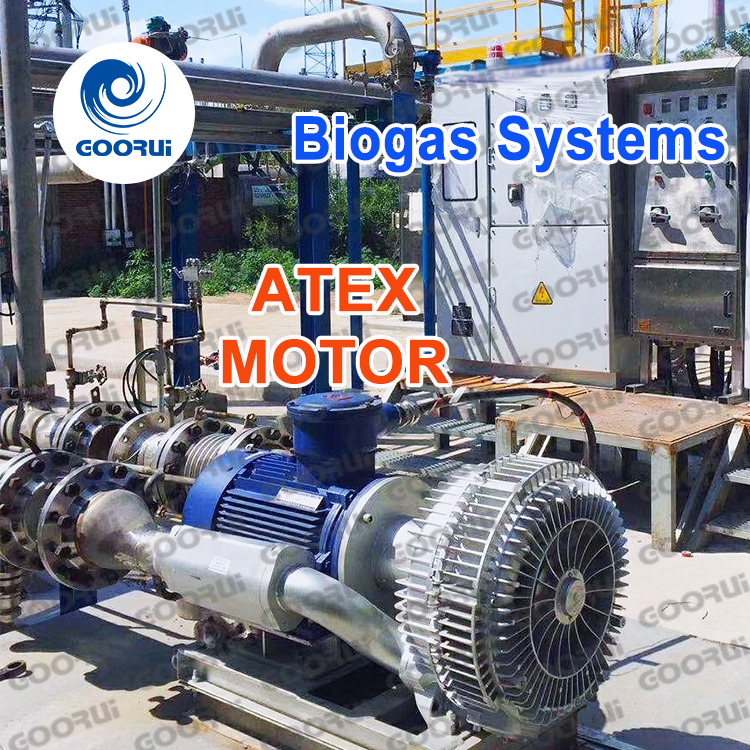
Biogas is a specialized medium that is flammable, explosive, and contains corrosive impurities; standard residential-grade vortex blowers are strictly prohibited for use in biogas systems. To ensure safe operation, the equipment must meet three core mandatory standards: explosion-proofing, corrosion resistance, and effective sealing.
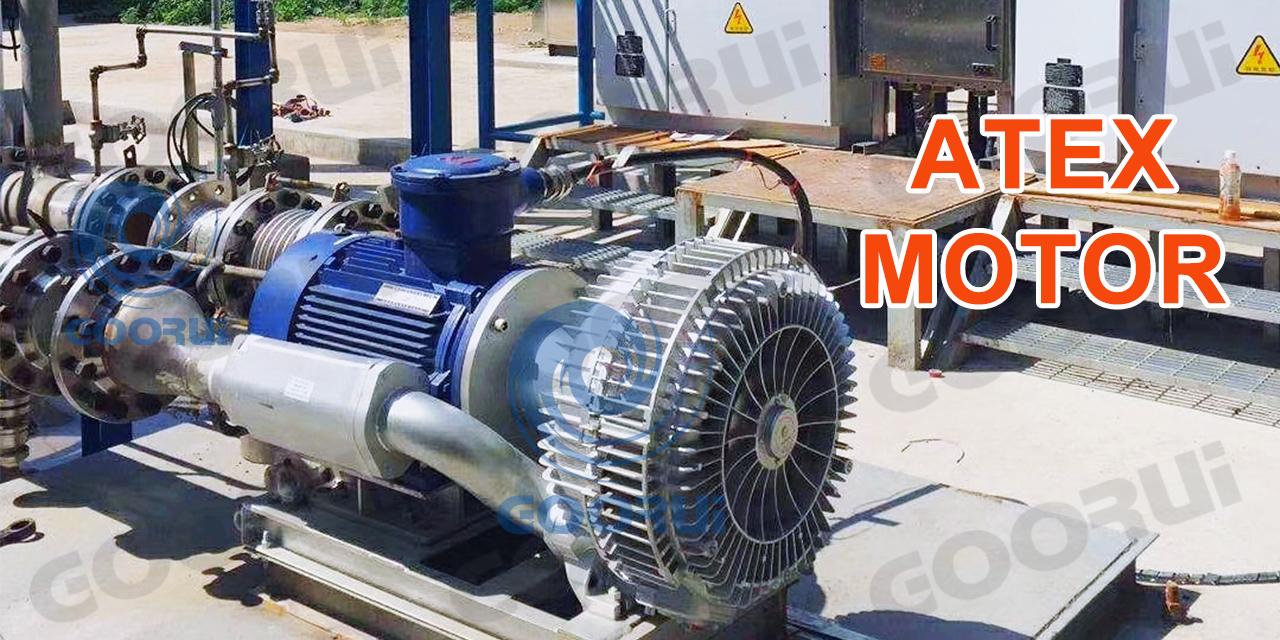
1. Comprehensive Explosion-Proof Configuration: The entire unit must feature an industrial explosion-proof design. The motor, terminal box, and electrical control system must meet an explosion-proof rating of at least Ex d IIB T4, making them suitable for environments containing explosive methane gas. The unit must include anti-static grounding to eliminate the risk of explosions caused by static sparks, fully complying with construction codes for biogas explosion-hazard zones.
2. Corrosion-Resistant Materials and Sealing Structure: To withstand the highly corrosive nature of hydrogen sulfide and condensate found in biogas, gas-contacting components must utilize anti-corrosion coatings or 304/316L stainless steel. Seals must be made of corrosion-resistant materials such as PTFE or silicon carbide-graphite and feature double-end mechanical seals; this effectively prevents biogas leakage and stops air from being sucked back into the pipeline—which could create an explosive gas mixture. For high-risk operating conditions, a nitrogen purge sealing system can be incorporated.
3. Compatibility with Pre-treatment Systems: The blower’s intake must be equipped with a gas-liquid separator, a precision filter, and a condensate trap. These components thoroughly remove condensate and particulate impurities from the biogas, preventing liquid water and corrosive contaminants from entering the blower and damaging the impeller or sealing structures, thereby extending the equipment’s service life.
4. Safety Protection Features: The equipment must be equipped with inlet negative-pressure protection, an outlet check valve, a safety valve, and a pressure transmitter. It must also feature alarm and interlock shutdown functions for over-pressure, over-temperature, and leakage conditions, ensuring comprehensive mitigation of operational safety risks.
Key Points for Equipment Operation and Maintenance
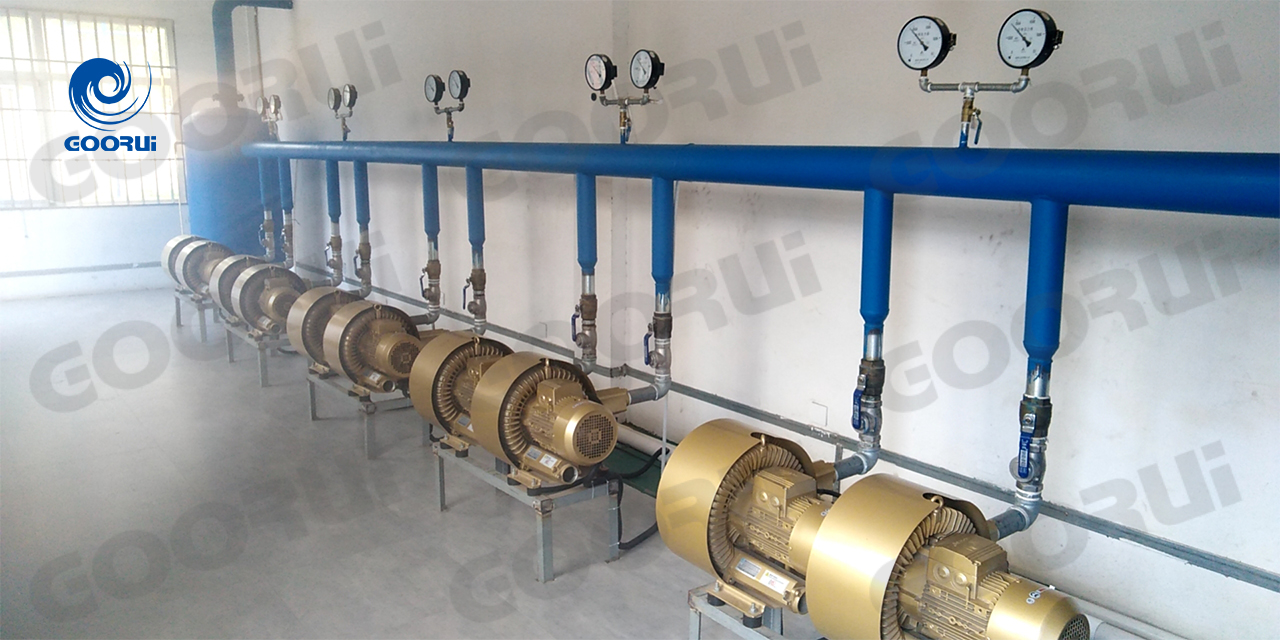
Effective operation and maintenance (O&M) management is crucial for the long-term, stable operation of vortex high-pressure blowers. Given the specific operating conditions associated with biogas, the following O&M protocols must be strictly observed:
1. Pre-start Purging: Before startup, the piping and blower casing must be purged with nitrogen to completely remove internal air. Starting the unit with a mixture of biogas and air is strictly prohibited to eliminate explosion risks at the source.
2. Strict Control of Operating Conditions: Operation with negative pressure at the blower inlet is prohibited to prevent air from being drawn into the system. Prolonged operation under overpressure or overload conditions is forbidden; operating parameters should be adjusted via variable frequency control based on biogas production and consumption rates to ensure stable equipment performance.
3. Regular Specialized Maintenance: Regularly inspect pipeline steam traps and promptly drain accumulated condensate; periodically test shaft seal integrity to detect potential biogas leaks; and regularly clean the inlet filter to remove debris and prevent intake blockages or airflow reduction.
4. Standardized Shutdown Procedures: When shutting down the system, close the inlet valve first and implement a delayed shutdown sequence; this prevents negative pressure in the pipeline from drawing in air, thereby maintaining system containment and safety.
Conclusion
With their unique advantages—including oil-free clean operation, stable high-pressure output, low noise, energy efficiency, and ease of maintenance—vortex high-pressure ring blowers are perfectly suited for the full range of operational scenarios in small- and medium-sized biogas projects, such as pressurized transport, purification, circulation and mixing, and emergency handling. They serve as indispensable core power equipment for distributed biogas systems. Compared to traditional blowers, they are better adapted to the challenging conditions associated with biogas—specifically its flammability, explosiveness, and corrosive nature—thereby ensuring efficient gas production and stable supply while significantly reducing maintenance costs and safety risks. Looking ahead, as biomass energy technology continues to advance, explosion-proof, corrosion-resistant, and intelligent variable-frequency vortex high-pressure ring blowers will see wider application in the field of biogas resource utilization, providing a solid foundation for the standardized, energy-efficient, and safe operation of biogas projects.